Campo de Gibraltar's Celestial Calendar: The Unmissable 2026 Lunar Eclipse
For astronomy enthusiasts and casual sky-gazers alike, 2026 holds a special promise in the Campo de Gibraltar region: a unique opportunity to witness a stunning lunar eclipse. While the astronomical calendar globally features two such events, residents of southern Andalusia will have only one chance to observe the mesmerizing celestial dance of an
eclipse lunar Gibraltar. This comprehensive guide will delve into the dates, times, and essential tips to ensure you don't miss this rare spectacle.
The Unmissable Spectacle: August 28, 2026 Partial Lunar Eclipse
Mark your calendars! The primary event for the Campo de Gibraltar is scheduled for **August 28, 2026**. This will be a partial lunar eclipse, visible across vast stretches of Europe and Africa. For those gazing up from the Rock and its surrounding areas, this promises to be a truly memorable experience.
Unlike the earlier eclipse of the year, this particular phenomenon will grace the pre-dawn skies, offering a quiet, contemplative start to the day. While specific timings can vary slightly by exact location within the Campo de Gibraltar, the general schedule, aligning with Iberian Peninsula Standard Time (like Madrid), is as follows:
*
Eclipse Commencement: Approximately 04:30 AM
*
Maximum Eclipse: Around 06:10 AM
*
Eclipse Concludes: Roughly 07:50 AM
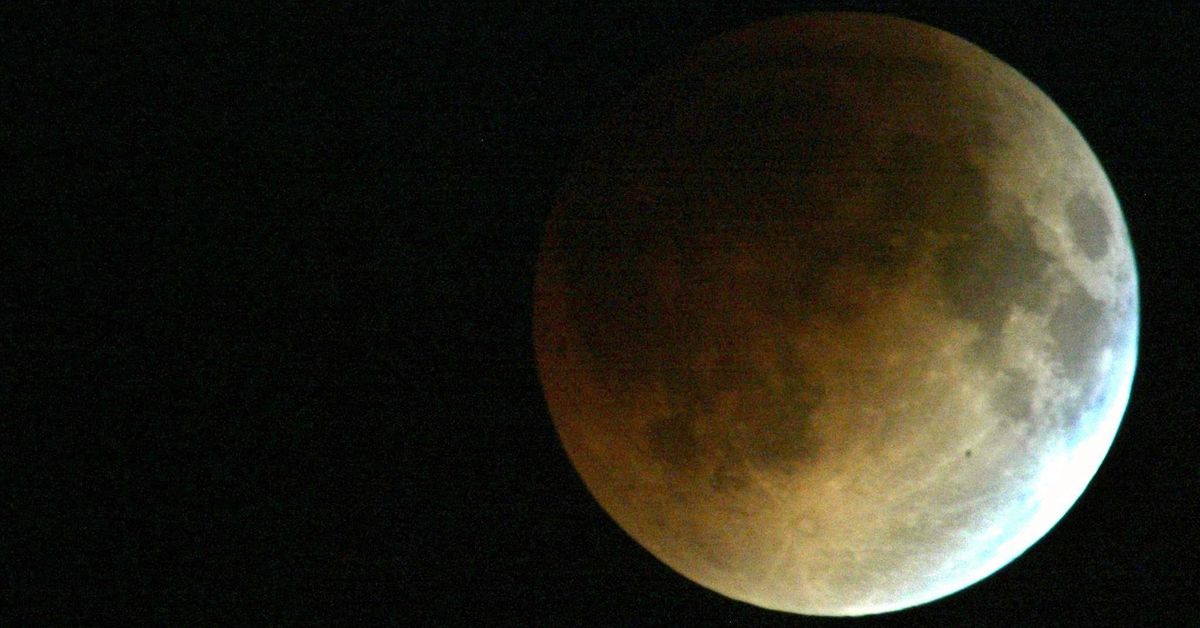
During a partial lunar eclipse, our planet Earth positions itself between the Sun and the Moon, casting a shadow that "bites" into our natural satellite. This creates a visually captivating scene where a distinct part of the Moon's disk darkens, appearing as if a cosmic bite has been taken out of it. It’s a stark contrast to a total eclipse, where the Moon often takes on striking reddish hues, but no less fascinating. The good news for local observers is that in the Campo de Gibraltar, the Moon will remain visible in the sky until *after* the partial phase has concluded, ensuring a full viewing experience of the
Partial Lunar Eclipse August 2026: Gibraltar Viewing Guide.
This August event is the region's sole chance to witness a lunar eclipse in 2026, making it an especially significant occasion. Don't miss this singular opportunity; you can read more about its importance in our dedicated article:
Don't Miss Gibraltar's Only Visible Lunar Eclipse in 2026.
Why the March 3, 2026 Eclipse Won't Be Visible in the Region
While the astronomical year 2026 kicks off with another major lunar event, a total lunar eclipse on March 3rd, it will unfortunately not be visible from Spain or the Campo de Gibraltar. This is purely a matter of timing and geography. The phenomenon will coincide with daytime hours on the Iberian Peninsula, meaning the Moon will be below the horizon, bathed in sunlight. Consequently, only observers in parts of the Americas, East Asia, and Oceania will have the privilege of witnessing this particular total eclipse. It serves as a stark reminder of how precise alignment and location are crucial for astronomical observation, further highlighting the special nature of the August 28th
eclipse lunar Gibraltar.
Understanding the Phenomenon: What to Expect During a Partial Lunar Eclipse
A lunar eclipse is one of the most accessible and captivating astronomical events, and understanding what's happening adds immensely to the viewing experience. During a partial lunar eclipse like the one anticipated for August 28th, the Earth passes directly between the Sun and the Moon. However, in this case, only a portion of the Moon enters the darkest part of Earth's shadow, known as the umbra.
As the Earth's shadow creeps across the lunar surface, you'll observe a gradual darkening and a distinct edge where the shadow "bites" into the Moon's disk. This visible boundary makes it easy to track the progression of the eclipse. Unlike solar eclipses, where specialized eye protection is absolutely vital, observing a lunar eclipse is perfectly safe for the naked eye. The Moon's light is merely reflected sunlight, and even when partially obscured, it poses no threat to your vision. While the dramatic deep reds and oranges of a total lunar eclipse might be absent, the subtle interplay of light and shadow during a partial eclipse offers its own unique beauty. The contrast between the illuminated and shadowed portions of the Moon can be quite striking, revealing topographical features in a new light. It's a fantastic opportunity for both seasoned astronomers and families with young children to connect with the cosmos.
Optimising Your Viewing Experience in Campo de Gibraltar
To truly appreciate the August 28, 2026
eclipse lunar Gibraltar, a little planning can go a long way. The Campo de Gibraltar offers several advantages for sky-gazing, particularly its varied topography and potential for dark skies.
Choosing Your Vantage Point
The key to any successful astronomical observation is finding a location with minimal light pollution and an unobstructed view of the sky. For the August 28th eclipse, which occurs in the early morning, you'll want a clear view towards the setting Moon.
- Elevated Areas: Locations on higher ground, such as the upper rock of Gibraltar itself, or hillsides in surrounding towns like San Roque, will provide broader horizons and potentially clearer air.
- Away from Urban Centers: While the eclipse will be visible from most places, heading slightly away from the brightest lights of cities like La Línea de la Concepción or Algeciras can significantly enhance the experience, allowing fainter stars and subtle lunar details to become more apparent. Rural areas within the Campo de Gibraltar comarca are ideal.
Weather and Preparation
Of course, clear skies are paramount. Keep a close eye on weather forecasts in the days leading up to August 28th. Even a small amount of cloud cover can obscure the view.
- Dress Warmly: Even in late August, pre-dawn hours can be cool, especially in elevated spots. Layering your clothing is always a good idea.
- Comfort: Consider bringing a comfortable chair or blanket, and perhaps a thermos of hot coffee or tea to enjoy during the early morning vigil.
Equipment for Enhanced Viewing
While the eclipse is easily visible with the naked eye, a few simple tools can elevate your experience:
- Binoculars: A good pair of binoculars (7x50 or 10x50 are common choices) will bring the Moon much closer, allowing you to observe the shadow's texture and any subtle color changes more clearly. They are excellent for revealing lunar craters and maria that might be less distinct with the naked eye.
- Telescopes: For serious enthusiasts, a small telescope will offer even more magnified views, showcasing intricate details on the lunar surface as the Earth's shadow passes over them.
- Photography: If you're interested in capturing the event, a camera capable of long exposures (DSLR or mirrorless) mounted on a tripod will be essential. Experiment with different ISO settings and shutter speeds to capture the progression of the eclipse.
This August 28th event is not just an astronomical curiosity; it's a communal experience. Consider gathering with friends, family, or local astronomy groups to share the wonder. Such shared moments often become cherished memories.
Conclusion: A Date with the Cosmos
The year 2026 presents a singular opportunity for residents and visitors of the Campo de Gibraltar to witness a captivating partial lunar eclipse. On August 28th, as the early morning light begins to hint at the coming day, the Earth's shadow will gracefully "bite" into the Moon's disk, offering a silent, powerful reminder of our place in the cosmos. With careful planning regarding your viewing location and a few simple tools, you can transform this easily observable astronomical event into an unforgettable experience. Mark your calendars, set your alarms, and prepare to look up – the universe awaits in the heart of the Campo de Gibraltar.